What to Do After a Car Accident in San Diego (Step-by-Step Guide to Protect Your Case)

Andy Van Le • May 5, 2026
What to Do After a Car Accident in San Diego (Step-by-Step Guide to Protect Your Case)

By Andy Van Le


If you’ve just been in a car accident, everything can feel overwhelming.

Between the shock, the pain, the damage, and the confusion, it’s easy to make decisions in the first few hours that can hurt your case later.

I’m Andy Van Le, and over the years I’ve seen how often a small mistake after a crash ends up becoming a big problem later — especially when insurance companies start looking for ways to minimize or challenge a claim.


This guide will walk you through what to do after a car accident in San Diego so you can better protect your health, your rights, and your potential compensation.


Quick Answer: What Should You Do After a Car Accident in San Diego?

After a car accident in San Diego, the most important things to do are: check for injuries, call 911, get medical attention, document the scene, avoid admitting fault, be careful with insurance adjusters, and protect your evidence early. What you do in the first 24 to 48 hours after a crash can make a major difference in both your recovery and your injury claim.
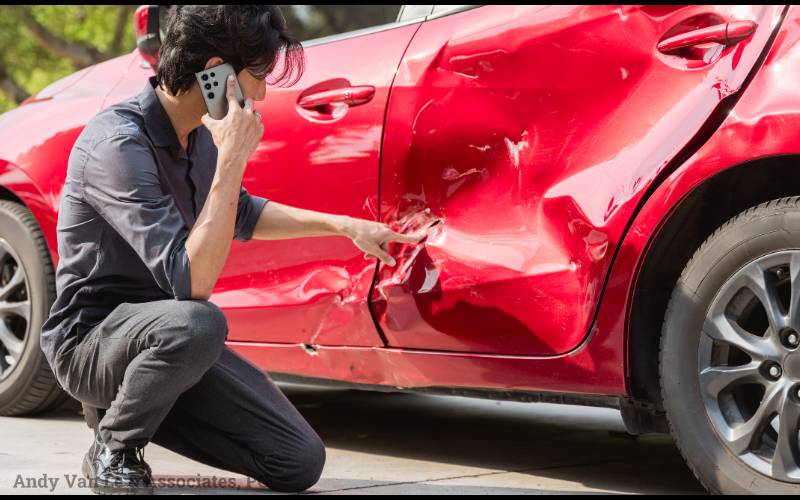

Step 1: Check for Injuries and Call 911

Step 1: Check for Injuries and Call 911


Your safety comes first.


Even if injuries seem minor, it is still smart to call 911 right away.

Why?


Because some serious injuries do not always show symptoms immediately, including:

  • concussions
  • soft tissue injuries
  • spinal injuries
  • internal injuries
  • delayed neck or back pain


Having police and emergency responders on the scene can also create important documentation that may become useful later.

If anyone is seriously injured, do not try to “push through it” or figure things out yourself first.

Get help immediately.


Step 2: Get a Police Report

In many cases, the police report becomes one of the most important early pieces of evidence.

A responding officer may document:

  • what each driver said happened
  • who was involved
  • vehicle damage
  • road conditions
  • witness statements
  • possible traffic violations
  • initial fault indicators

Insurance companies often rely heavily on the police report when evaluating liability.

That does not mean the report is always perfect — but it often becomes one of the first things reviewed when a claim is being evaluated.

If police respond to the scene, make sure you know how to obtain the report later.


Step 3: Gather Evidence at the Scene If You’re Able


If you are physically able to do so, try to document as much as possible before leaving the scene.


Take photos or video of:

  • all vehicles involved
  • license plates
  • the point of impact
  • road conditions
  • skid marks
  • debris
  • traffic lights or stop signs
  • weather or visibility conditions
  • any visible injuries


Also try to get:


  • names and contact information of witnesses
  • insurance details from the other driver
  • the make/model of the other vehicle
  • the exact location of the crash

The more evidence you preserve early, the harder it becomes for the insurance company to dispute what happened later.
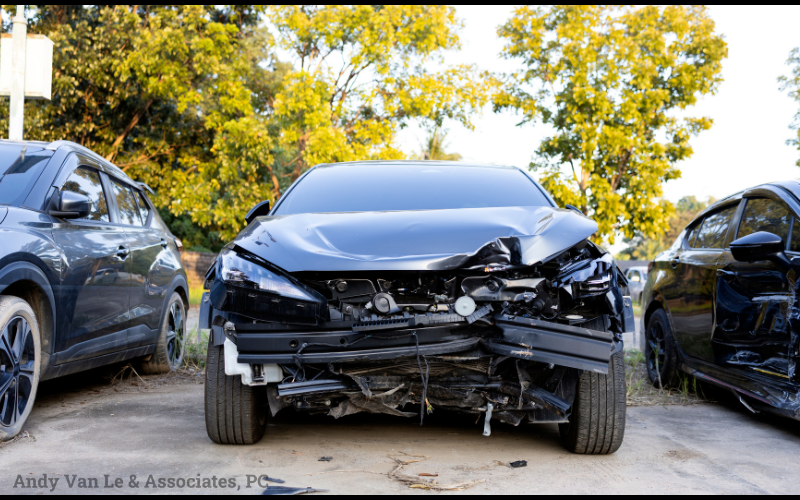

Do NOT Admit Fault

Step 4: Do NOT Admit Fault


This is one of the biggest mistakes I see after a crash.

A lot of people say things reflexively because they are shaken up or trying to be polite.

For example:


  • “I’m sorry”
  • “I didn’t see you”
  • “I think I may have caused it”


The problem is this:


Even casual statements can later be used against you.

After an accident, it is best to stick to the facts and avoid making assumptions about fault before all the evidence is clear.

That applies whether you are speaking to:

  • the other driver
  • witnesses
  • police
  • or the insurance company


Step 5: Seek Medical Attention as Soon as Possible

Even if you feel “okay,” it is still a good idea to get checked out after a crash.

This matters for two major reasons:


First:

Some injuries do not fully appear until hours or days later.


Second:

Getting evaluated creates a medical record connecting your symptoms to the accident.

That can become extremely important later.

Insurance companies often try to argue:


“If you were really hurt, why didn’t you seek treatment sooner?”

That’s one reason prompt medical attention can help protect both your health and your claim.
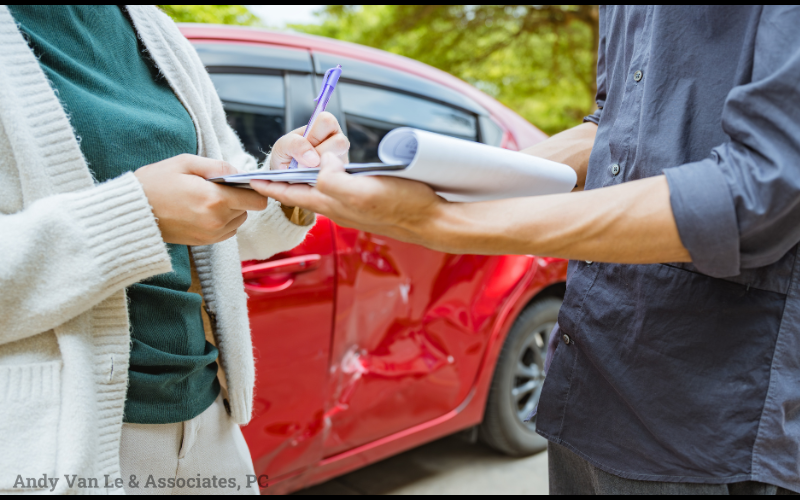

Be Careful With Insurance Adjusters


Step 6: Be Careful With Insurance Adjusters


A lot of people make the mistake of assuming the insurance adjuster is just trying to “move the process along.”

That is not always what is happening.

Insurance companies often look for opportunities to:

  • minimize claims
  • lock people into recorded statements
  • create inconsistencies
  • or push quick, low settlements

That does not mean you need to be hostile.

But it does mean you should be careful.

If you are dealing with injuries, disputed fault, or pressure from insurance, speaking with a San Diego car accident lawyer before giving detailed statements may help protect your position.


Step 7: Don’t Accept a Quick Settlement Too Early


Fast offers are often not good offers.

In many cases, an early settlement is designed to:

  • close the claim quickly
  • reduce what the insurer has to pay
  • prevent you from learning the full extent of your injuries

Once you accept a settlement, you usually cannot reopen the case later.

That means if your condition gets worse, or you need more treatment than expected, you may be stuck dealing with those consequences without additional compensation.

That’s one reason it is risky to rush into settlement before the medical picture is clearer.


Step 8: Understand That Your Case May Be Worth More Than You Think

A lot of people underestimate the value of their case early on.

That’s understandable.

Right after a crash, many people are only thinking about:

  • the vehicle damage
  • the ER bill
  • or the inconvenience of the accident itself

But depending on the facts, a claim may also involve:

  • future treatment
  • lost wages
  • pain and suffering
  • reduced mobility
  • ongoing physical limitations
  • long-term impact on daily life

That’s one reason a car accident injury claim should be evaluated carefully before assumptions are made about value.


Step 9: Keep Records Organized From the Beginning


This is one of the most underrated things people can do after a crash.

Try to keep all of the following in one place:

  • police report information
  • claim numbers
  • insurance letters or emails
  • photos and videos
  • medical paperwork
  • receipts
  • mileage to appointments
  • wage loss documentation
  • notes about your symptoms

The more organized your records are, the easier it becomes to build and support your claim later.


Act Quickly — Time Matters

Step 10: Act Quickly — Time Matters


California has legal deadlines that may affect your right to recover compensation.

That includes the statute of limitations and other deadlines that may apply depending on:

  • the type of accident
  • the parties involved
  • whether a government entity is involved
  • and how the case develops

Waiting too long can create problems such as:

  • lost evidence
  • missing witnesses
  • weaker documentation
  • or in some cases, a completely barred claim

If you need legal help after a crash, it is almost always better to address the situation earlier rather than later.



Step 10: Act Quickly — Time Matters

Final Thoughts: Protect Yourself From Day One


The steps you take immediately after an accident can affect:

  • whether your claim succeeds
  • how much compensation may be available
  • and how smoothly your case moves forward

The early stage of a claim often matters more than people realize.

If you’ve been injured, don’t leave it to guesswork.

The better informed and more organized you are from the beginning, the better positioned you may be later.


Andy Van Ly

Injured in an Accident? Speak With Andy Van Le Today


If you were injured in a car accident, motorcycle crash, slip and fall, or another serious incident, getting legal guidance early may make a major difference in your case. My office helps injury victims throughout San Diego understand their options and protect their claims from the beginning.


Call (619) 525-0001 or contact our office online for a free consultation.


Legal Disclaimer


The information in this article is provided for general educational purposes only and should not be taken as legal advice. No attorney-client relationship is formed by reading this article or submitting information through this website. If you were injured in an accident and need legal guidance specific to your case, contact Andy Van Le & Associates, PC directly for a consultation.


How soon should I contact a lawyer after a car accident

Frequently Asked Questions

How soon should I contact a lawyer after a car accident?

As soon as possible. Early legal guidance helps preserve evidence and may help prevent mistakes that can hurt your claim later.


Do I need a lawyer for a minor car accident?

Even minor accidents can lead to injuries, insurance disputes, or complications that are not obvious right away.


What if the accident was partially my fault?

California follows comparative fault rules, which means you may still be able to recover compensation even if you were partially at fault.


How much is my car accident case worth?

Every case is different. Value often depends on injury severity, treatment, fault issues, lost income, and long-term impact.


Should I talk to the insurance company after a car accident?

Be careful. What you say early can affect how your claim is handled, especially if fault or injuries are being questioned.


Will I have to go to court?

Most cases settle without trial, but having a lawyer who is prepared to take a case further when necessary can still matter.




Do You Need Medical Treatment to Win a Personal Injury Case in California?
By Andy Van Le May 14, 2026
Attorney Andy Van Le explains why medical treatment is critical in personal injury cases and how it impacts your ability to recover compensation in California.
By Andy Van Le May 13, 2026
Quick Answer In California, you generally have two years from the date of injury to file a personal injury lawsuit. However, if a government entity is involved, you may have only six months to file a claim. Missing these deadlines can permanently prevent you from recovering compensation.
Who Pays Medical Bills After a Car Accident in California?
By Andy Van Le May 11, 2026
Wondering who pays your medical bills after a car accident in California? Learn how insurance, health coverage, Med Pay, and injury claims may affect your case.
How Long Does a Car Accident Settlement Take in California?
By Andy Van Le April 27, 2026
Wondering how long a car accident settlement takes in California? Learn what affects case timelines, why some claims take longer, and when delays may be a red flag.
What Happens If the Other Driver Lies About the Accident?
By Andy Van Le April 20, 2026
Did the other driver change their story after a car accident? Learn what happens when fault is disputed, what evidence matters most, and how false claims can affect your case.
What If the Insurance Company Says Your Injuries Aren’t Serious?
By Andy Van Le April 13, 2026
Has the insurance company tried to downplay your injuries after a car accident? Learn why this happens, how it affects your claim, and what to know before accepting a low offer.
How Much Is a Car Accident Settlement Worth in San Diego
By Andy Van Le April 9, 2026
Wondering how much your San Diego car accident case may be worth? Learn what affects settlement value, what damages may be available, and what to know before accepting an offer.
Do I Need a Lawyer for a Minor Car Accident in San Diego
By Andy Van Le April 6, 2026
Not every minor car accident is a minor legal case. Learn when injuries, insurance issues, or disputed fault may mean it’s time to speak with a San Diego lawyer.
February 13, 2023
Car accidents are one of the leading causes of injury and death in the United States, and they can have a devastating impact on the lives of those involved. Whether you have been in a minor fender-bender or a serious crash, it is important to understand the causes of car accidents, how to prevent them, and what legal options may be available to you if you have been injured. In this blog post, we will explore these topics in greater detail. Causes of Car Accidents Car accidents can be caused by a variety of factors, including: Distracted driving: This is one of the leading causes of car accidents and refers to any activity that takes a driver's attention away from the road. This can include using a cell phone, eating, applying makeup, or even talking to passengers. Impaired driving: Driving under the influence of drugs or alcohol can impair a driver's judgment and reaction time, increasing the risk of a crash. Speeding: Excessive speed can make it difficult for a driver to control their vehicle, increasing the risk of a crash. Reckless driving: This type of driving can include dangerous behaviors such as tailgating, cutting off other drivers, or making sudden lane changes. Weather conditions: Adverse weather conditions, such as rain, snow, or fog, can make it more difficult for a driver to see the road and control their vehicle, increasing the risk of a crash. Vehicle malfunctions: Defective vehicle components, such as faulty brakes or tires, can cause a crash. Road conditions: Poorly maintained roads, such as those with potholes or missing signs, can make it more difficult for a driver to control their vehicle and increase the risk of a crash. Preventing Car Accidents To prevent car accidents, it is important to be aware of the risks and take steps to minimize them. Some tips to help prevent car accidents include: Avoiding distractions while driving: Put away your cell phone, avoid eating or drinking, and keep your eyes on the road at all times. Not driving under the influence: If you have been drinking, do not get behind the wheel. Obeying speed limits: Drive at a safe speed, and slow down in adverse weather conditions or when visibility is poor. Avoiding reckless behavior: Do not tailgate, cut off other drivers, or make sudden lane changes. Maintaining your vehicle: Regularly maintain your vehicle, including checking brakes, tires, and other components to ensure they are in good working order. Being aware of road conditions: Pay attention to road signs and slow down in areas with poor road conditions, such as potholes or missing signs. Legal Options After a Car Accident If you have been involved in a car accident, you may be entitled to seek compensation for your losses. The exact legal options available to you will depend on the specifics of your case and the laws of your state. In some cases, you may be able to seek compensation through an insurance claim. Most states require drivers to have liability insurance, which covers the cost of damages or injuries that they cause to others in a crash. If the other driver was at fault, you may be able to file a claim with their insurance company to seek compensation for your losses. In other cases, you may need to take legal action to seek compensation. This can include filing a personal injury lawsuit against the responsible party. To be successful in a personal injury lawsuit, you will need to show that the other driver was negligent and that their negligence caused your injury.
February 13, 2023
Personal injury is a term that refers to any physical or emotional harm suffered by an individual as a result of someone else's negligence or intentional wrongdoing. This can include accidents, medical malpractice, defective products, or workplace injuries, among others. If you have been injured due to someone else's fault, you may be entitled to seek compensation for your losses. In this blog post, we will discuss the basics of personal injury law and what you need to know if you are considering seeking compensation for your injuries. Understanding Negligence Negligence is the legal term used to describe when someone's actions (or inaction) cause harm to another person. To prove negligence in a personal injury case, you must show that the defendant had a duty to take reasonable care to avoid causing harm, and that they breached that duty by acting or failing to act in a way that a reasonable person would have. Additionally, you must show that the defendant's breach of duty caused your injury and that you suffered actual damages as a result. For example, consider a driver who fails to stop at a red light and strikes another car, causing injury to the driver. The driver who ran the red light would likely be considered negligent because they had a duty to obey traffic signals and take reasonable care to avoid causing harm to others on the road, and they breached that duty by failing to stop at the red light. If the driver of the other car suffered actual damages as a result of the accident, they would likely be entitled to seek compensation for their losses. Types of Personal Injury Claims There are many different types of personal injury claims, but some of the most common include: Auto accidents: These occur when a driver is involved in a collision with another vehicle, pedestrian, or property. Medical malpractice: This type of personal injury claim arises when a medical professional fails to provide the appropriate standard of care, resulting in harm to the patient. Slip and fall accidents: This type of claim arises when a property owner fails to maintain their property in a safe condition, causing someone to slip and fall and suffer injury. Defective products: This type of personal injury claim arises when a consumer is harmed by a defective product, such as a faulty airbag or a dangerous drug. Workplace injuries: These occur when an employee is injured on the job as a result of their employer's negligence or failure to provide a safe working environment. Compensation in Personal Injury Cases If you have been injured due to someone else's negligence, you may be entitled to seek compensation for your losses. This can include compensation for medical expenses, lost wages, and pain and suffering, among others. The exact amount of compensation you may be entitled to will depend on the specifics of your case and the laws of your state. One important factor in determining the amount of compensation you may be entitled to is the concept of comparative negligence. This refers to the idea that if you were partially responsible for your injury, your compensation may be reduced by the percentage of fault you share. For example, if you were involved in a car accident and it was determined that you were 20% responsible for the accident, your compensation would be reduced by 20%. It's also important to note that in some cases, you may be entitled to seek punitive damages. These are damages that are awarded over and above compensatory damages, and are designed to punish the defendant for their actions and deter similar conduct in the future. Punitive damages are not available in all personal injury cases, and are typically only awarded in cases where the defendant's conduct was particularly outrageous or egregious.