Car Accidents: Understanding the Causes, Prevention, and Legal Options
Car accidents are one of the leading causes of injury and death in the United States, and they can have a devastating impact on the lives of those involved. Whether you have been in a minor fender-bender or a serious crash, it is important to understand the causes of car accidents, how to prevent them, and what legal options may be available to you if you have been injured. In this blog post, we will explore these topics in greater detail.
Causes of Car Accidents
Car accidents can be caused by a variety of factors, including:
- Distracted driving: This is one of the leading causes of car accidents and refers to any activity that takes a driver's attention away from the road. This can include using a cell phone, eating, applying makeup, or even talking to passengers.
- Impaired driving: Driving under the influence of drugs or alcohol can impair a driver's judgment and reaction time, increasing the risk of a crash.
- Speeding: Excessive speed can make it difficult for a driver to control their vehicle, increasing the risk of a crash.
- Reckless driving: This type of driving can include dangerous behaviors such as tailgating, cutting off other drivers, or making sudden lane changes.
- Weather conditions: Adverse weather conditions, such as rain, snow, or fog, can make it more difficult for a driver to see the road and control their vehicle, increasing the risk of a crash.
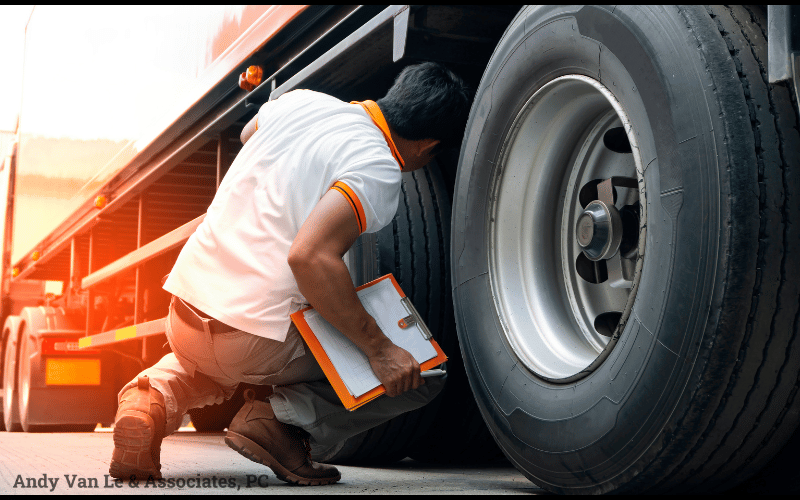
- Vehicle malfunctions: Defective vehicle components, such as faulty brakes or tires, can cause a crash.
- Road conditions: Poorly maintained roads, such as those with potholes or missing signs, can make it more difficult for a driver to control their vehicle and increase the risk of a crash.
Preventing Car Accidents
To prevent car accidents, it is important to be aware of the risks and take steps to minimize them. Some tips to help prevent car accidents include:
- Avoiding distractions while driving: Put away your cell phone, avoid eating or drinking, and keep your eyes on the road at all times.
- Not driving under the influence: If you have been drinking, do not get behind the wheel.
- Obeying speed limits: Drive at a safe speed, and slow down in adverse weather conditions or when visibility is poor.
- Avoiding reckless behavior: Do not tailgate, cut off other drivers, or make sudden lane changes.
- Maintaining your vehicle: Regularly maintain your vehicle, including checking brakes, tires, and other components to ensure they are in good working order.
- Being aware of road conditions: Pay attention to road signs and slow down in areas with poor road conditions, such as potholes or missing signs.
Legal Options After a Car Accident
If you have been involved in a car accident, you may be entitled to seek compensation for your losses. The exact legal options available to you will depend on the specifics of your case and the laws of your state.
In some cases, you may be able to seek compensation through an insurance claim. Most states require drivers to have liability insurance, which covers the cost of damages or injuries that they cause to others in a crash. If the other driver was at fault, you may be able to file a claim with their insurance company to seek compensation for your losses.
In other cases, you may need to take legal action to seek compensation. This can include filing a personal injury lawsuit against the responsible party. To be successful in a personal injury lawsuit, you will need to show that the other driver was negligent and that their negligence caused your injury.