Can You Sue a Property Owner After a Slip and Fall Accident?
By Andy Van Le
Quick Answer
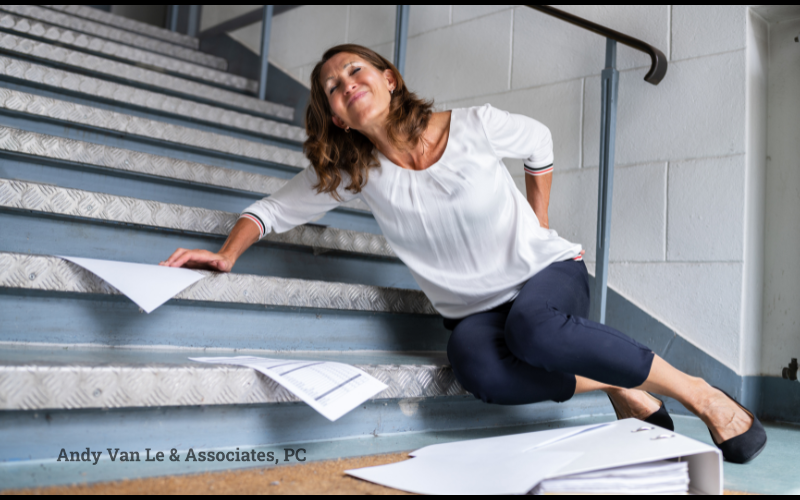
Yes, you may be able to sue a property owner after a slip and fall accident if their negligence contributed to a dangerous condition that caused your injury. However, not every fall automatically creates liability. The specific facts, evidence, and circumstances surrounding the accident are critical.
Understanding Premises Liability Law
Many people assume that if they fall on someone else's property, the property owner is automatically responsible.
Unfortunately, it doesn't work that way.
California premises liability laws generally require injured individuals to prove that the property owner failed to maintain reasonably safe conditions.
As a San Diego slip and fall attorney, one of the first things I evaluate is whether a dangerous condition existed and whether the property owner knew or should have known about it.
Property Owners Have Legal Responsibilities
Property owners are not required to guarantee that accidents never happen.
However, they are expected to take reasonable steps to maintain safe conditions for visitors.
This may include:
- Repairing dangerous hazards
- Conducting inspections
- Cleaning spills
- Replacing broken flooring
- Fixing inadequate lighting
- Maintaining stairways and handrails
When property owners fail to address known hazards, injuries can occur.
Common Property Hazards That Lead to Claims
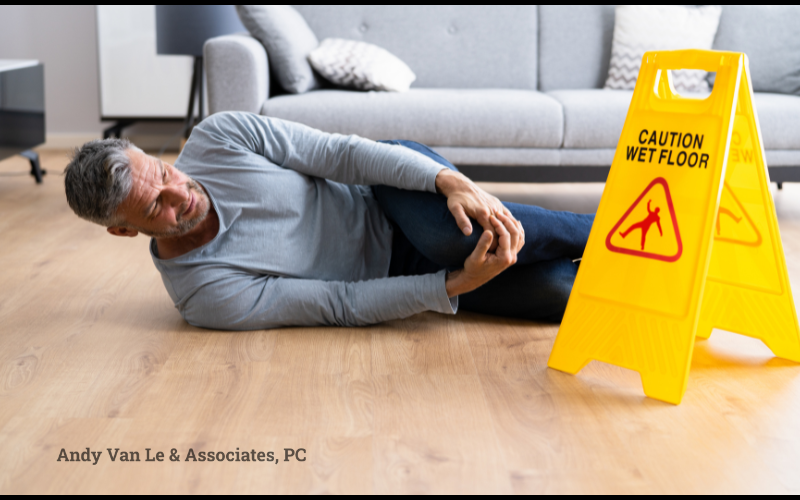
Some of the most common dangerous conditions include:
- Wet floors
- Uneven sidewalks
- Broken stairs
- Loose flooring
- Poor lighting
- Damaged handrails
- Parking lot hazards
- Hidden obstacles
For a deeper discussion of these hazards, read:
Common Causes of Slip and Fall Accidents in San Diego
What Must Be Proven?
To succeed in a premises liability claim, an injured person generally needs to establish:
A Dangerous Condition Existed
There must have been a condition that created an unreasonable risk of harm.
The Property Owner Knew or Should Have Known
Actual knowledge is not always required.
Sometimes a hazard existed long enough that the owner reasonably should have discovered it.
The Hazard Caused the Injury
There must be a connection between the dangerous condition and the injuries sustained.
Damages Occurred
The injured person must have suffered damages such as:
- Medical bills
- Lost wages
- Pain and suffering
- Future medical expenses
What Evidence Can Strengthen a Slip and Fall Claim?
Evidence often plays a major role in premises liability cases.
Helpful evidence may include:
- Photographs of the hazard
- Surveillance footage
- Witness statements
- Maintenance records
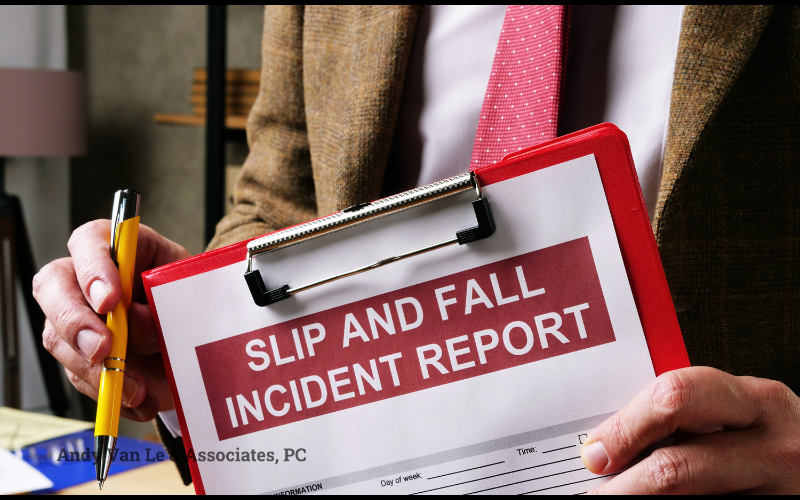
- Incident reports
- Medical records
One of the biggest mistakes people make is waiting too long to gather evidence.
Learn more here:
What Evidence Can Help Win a Personal Injury Claim?
Comparative Negligence May Affect Compensation
Property owners and insurance companies often argue that the injured person was partially responsible.
Examples include:
- Not paying attention
- Looking at a phone
- Ignoring warning signs
- Walking in a restricted area
California follows comparative negligence laws, which means compensation may be reduced if fault is shared.
Learn more here:
How Comparative Negligence Works in California Personal Injury Cases
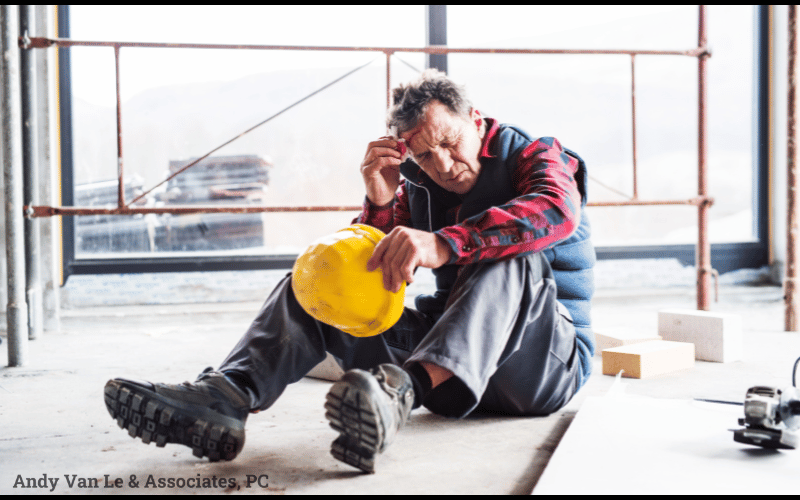
Serious Injuries Can Result From Falls
Many people underestimate the severity of slip and fall accidents.
I've represented injury victims who suffered:
- Hip fractures
- Broken wrists
- Spinal injuries
- Traumatic brain injuries
- Shoulder injuries
- Permanent mobility limitations
These injuries can require extensive treatment and significantly affect a person's quality of life.
Many of these situations become significant personal injury claims.
What About Commercial Properties?
Premises liability claims frequently arise at:
- Grocery stores
- Retail stores
- Restaurants
- Hotels
- Apartment complexes
- Shopping centers
- Office buildings
Commercial property owners generally have a responsibility to maintain reasonably safe conditions for customers and guests.

What I Tell Clients After a Slip and Fall
One thing I tell clients regularly is not to assume they have no case simply because they fell.
The key question is often not whether a fall occurred.
The key question is why it occurred.
If a dangerous condition existed and the property owner failed to address it, legal options may be available.
Speak With a San Diego Slip and Fall Attorney
If you've been injured due to unsafe property conditions, understanding your legal rights early can make a significant difference.
Visit our San Diego slip and fall attorney page to learn more about how we help injury victims throughout San Diego County.
At Accident Law Center, I help clients pursue compensation after preventable accidents caused by negligent property owners.
Call (619) 525-0001 or contact our office online for a free consultation.
Legal Disclaimer
This article is for informational purposes only and does not constitute legal advice. Reading this content does not create an attorney-client relationship with Andy Van Le & Associates, PC. Every case is different, and you should contact an attorney directly for legal advice about your specific situation.

FAQs
Can I sue a property owner if I slipped on a wet floor?
Possibly. Property owners may be liable if they knew or should have known about the hazard and failed to correct it or provide adequate warning.
What evidence should I collect after a slip and fall accident?
Photographs, witness information, surveillance footage, incident reports, and medical records can all help support a claim.
What if the property owner says the accident was my fault?
California comparative negligence laws may still allow you to recover compensation even if you were partially responsible.
How long do I have to file a slip and fall lawsuit in California?
The deadline depends on the circumstances of the case, but California's statute of limitations generally applies.
Are businesses responsible for slip and fall accidents?
Businesses may be liable when dangerous conditions exist and reasonable steps were not taken to protect customers and visitors.