How Businesses Can Be Held Liable for Slip and Fall Accidents in California
By Andy Van Le
Quick Answer
Businesses have a legal duty to maintain reasonably safe premises for customers, visitors, and guests. When a business fails to repair, warn about, or remove dangerous conditions—and someone is injured as a result—it may be held liable under California premises liability law. Every case depends on the facts, including whether the business knew or should have known about the dangerous condition.
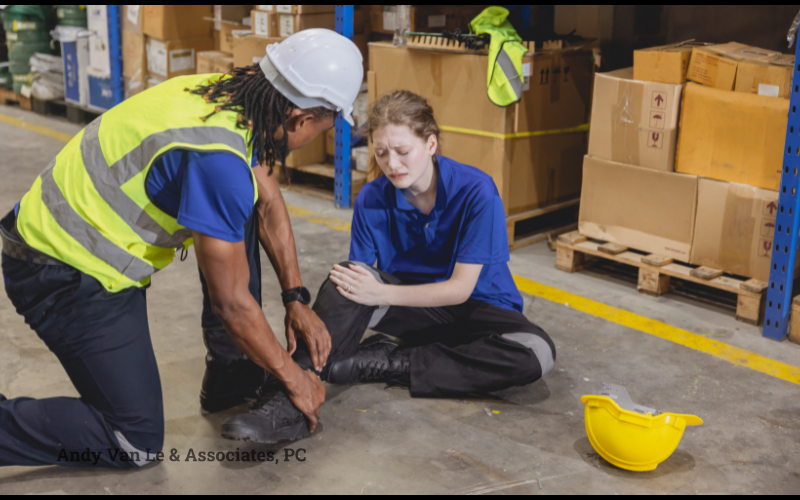
Slip and Fall Accidents Are More Common Than Many People Realize
When people hear the phrase "slip and fall," they often picture someone slipping on a wet grocery store floor.
In reality, these accidents happen almost everywhere.
I've represented clients who were injured because of hazards in:
- Grocery stores
- Shopping centers
- Restaurants
- Hotels
- Apartment complexes
- Office buildings
- Parking lots
- Sidewalks
- Retail stores
Many of these injuries could have been prevented with proper maintenance and routine inspections.
As a San Diego Slip and Fall Lawyer
one of the first things I investigate is whether the property owner or business acted reasonably to protect visitors.
Understanding California Premises Liability
Slip and fall cases fall under an area of law called premises liability.
Premises liability simply means that property owners—and in many situations businesses operating on the property—have a legal responsibility to maintain reasonably safe conditions.
This doesn't mean businesses are automatically responsible every time someone falls.
Instead, the question usually becomes:
Did the business fail to take reasonable steps to discover or correct a dangerous condition?
That answer often determines whether liability exists.
Businesses Have a Duty to Inspect Their Property
Businesses should regularly inspect their property for hazards that could injure customers.
Depending on the type of business, this may include checking for:
- Wet floors
- Loose flooring
- Torn carpeting
- Uneven sidewalks
- Broken handrails
- Poor lighting
- Spilled merchandise
- Obstructed walkways
Routine inspections help identify hazards before someone gets hurt.
When inspections are ignored, dangerous conditions may remain for hours—or even days.
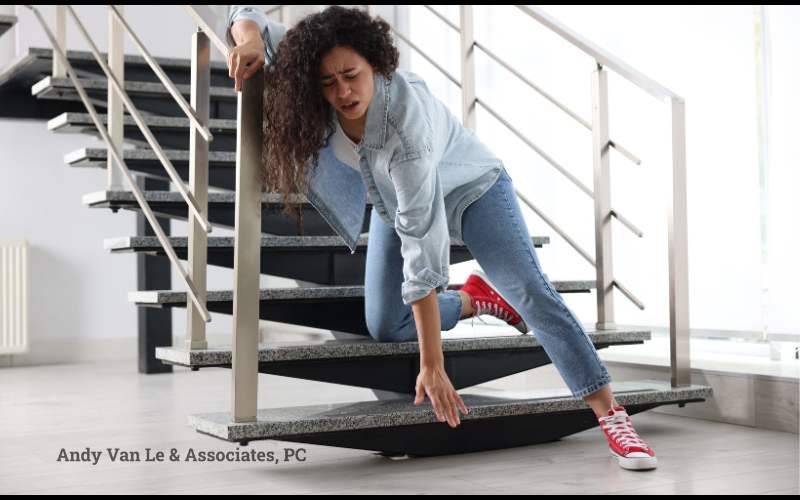
What Does "Notice" Mean?
One of the most important concepts in a slip and fall case is notice.
A business generally cannot correct a dangerous condition unless it knows—or reasonably should know—that the condition exists.
California law often looks at two types of notice.
Actual Notice
Actual notice means the business actually knew about the hazard.
Examples include:
- An employee reports a spill.
- A customer complains about loose flooring.
- A manager observes the dangerous condition.
If the business knows about the problem but fails to address it, liability may arise.
Constructive Notice
Constructive notice means the hazard existed long enough that the business should have discovered it through reasonable inspections.
For example:
A grocery store spill that remains on the floor for an extended period may suggest the business failed to inspect the area properly.
The length of time the hazard existed often becomes an important issue during litigation.
Common Dangerous Conditions That Lead to Slip and Fall Injuries
No two accidents are exactly alike.
Some of the most common hazards include:
- Wet floors
- Freshly mopped surfaces
- Uneven pavement
- Loose mats
- Torn carpeting
- Broken stairs
- Missing handrails
- Cracked sidewalks
- Poor lighting
- Ice or standing water
- Merchandise blocking walkways
Many of these hazards can be corrected relatively easily when businesses follow proper maintenance procedures.
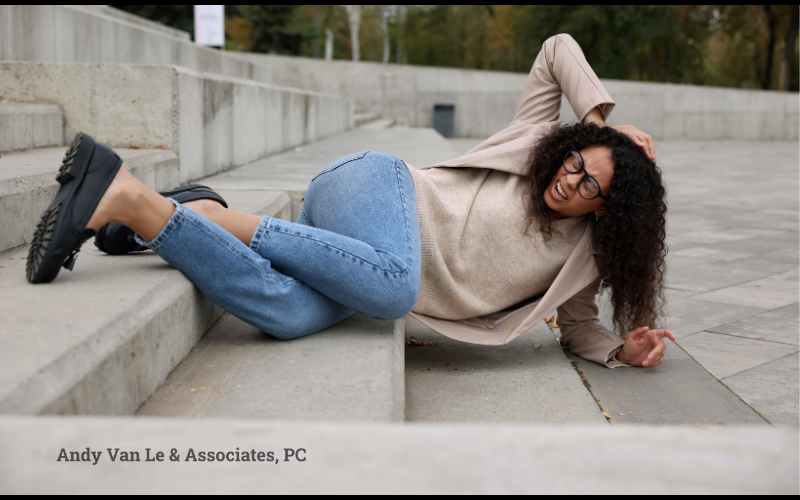
Grocery Store Slip and Fall Accidents
Grocery stores are among the most common locations for slip and fall accidents.
Hazards often include:
- Liquid spills
- Produce on the floor
- Leaking refrigeration units
- Recently mopped aisles
- Fallen merchandise
Employees should regularly inspect aisles and promptly address hazardous conditions.
When dangerous conditions remain uncorrected, serious injuries can occur.
Restaurant Slip and Fall Cases
Restaurants present unique risks because food and beverages are constantly being served.
Common hazards include:
- Drink spills
- Grease near kitchen entrances
- Wet entryways during rain
- Loose floor tiles
- Uneven flooring
Because restaurant staff are continuously moving throughout the facility, they often have frequent opportunities to identify hazards before customers are injured.
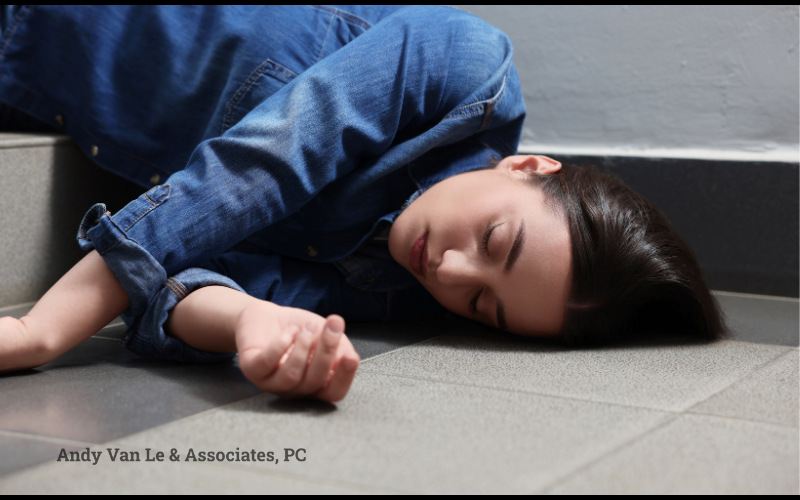
Restaurant Slip and Fall Cases
Restaurants present unique risks because food and beverages are constantly being served.
Common hazards include:
- Drink spills
- Grease near kitchen entrances
- Wet entryways during rain
- Loose floor tiles
- Uneven flooring
Because restaurant staff are continuously moving throughout the facility, they often have frequent opportunities to identify hazards before customers are injured.
Apartment Complex Injuries
Property owners and management companies also have responsibilities toward tenants and visitors.
Common apartment hazards include:
- Broken stairways
- Loose railings
- Uneven sidewalks
- Poor lighting
- Damaged walkways
- Water leaks
Apartment owners should regularly inspect common areas and repair hazards within a reasonable period of time.
Parking Lot Accidents
Many people don't realize that parking lots are also common locations for premises liability claims.
Examples include:
- Potholes
- Broken curbs
- Uneven pavement
- Poor drainage
- Inadequate lighting
- Damaged wheel stops
Falls in parking lots frequently result in broken wrists, ankle injuries, hip fractures, and head injuries.
Hotels and Resorts
Hotels invite thousands of guests onto their property each year.
Potential hazards include:
- Wet pool decks
- Slippery bathroom floors
- Loose carpeting
- Broken stairways
- Elevator entrance hazards
- Poorly maintained sidewalks
Because guests are unfamiliar with the property, businesses should take reasonable steps to identify and correct dangerous conditions before injuries occur.
Shopping Centers and Retail Stores Have Ongoing Safety Responsibilities
Shopping centers often experience heavy foot traffic throughout the day.
Because hundreds—or even thousands—of customers may visit a shopping center daily, property owners and tenants should have systems in place to identify and correct dangerous conditions before someone is injured.
Examples of hazards include:
- Recently mopped floors without warning signs
- Merchandise left in aisles
- Uneven walkways
- Loose entrance mats
- Water tracked inside during rainy weather
- Damaged sidewalks between stores
In some situations, responsibility may rest with an individual business. In others, the shopping center owner or property management company may share responsibility for maintaining common areas.
Determining who controlled the area where the accident occurred is often one of the first questions I investigate.
Comparative Negligence May Affect a Slip and Fall Claim
Insurance companies frequently argue that the injured person shares responsibility for a fall.
Common arguments include:
- You weren't watching where you were walking.
- You ignored warning signs.
- You were distracted by your phone.
- You were wearing inappropriate footwear.
- The hazard was "open and obvious."
California follows a comparative negligence system.
That means you may still recover compensation even if you were partially responsible for the accident.
The percentage of fault assigned to each party may affect the amount of compensation ultimately recovered.
To learn more, read:
How Comparative Negligence Works in California Personal Injury Cases
Surveillance Cameras Can Become Important Evidence
Many businesses now operate surveillance cameras throughout their property.
Video footage may capture:
- The dangerous condition
- How long the hazard existed
- Employees walking past the hazard
- The actual fall
- The business's response afterward
Unfortunately, surveillance footage is not always preserved indefinitely.
Some businesses overwrite recordings within days.
Because of that, acting quickly after a slip and fall accident can be extremely important.
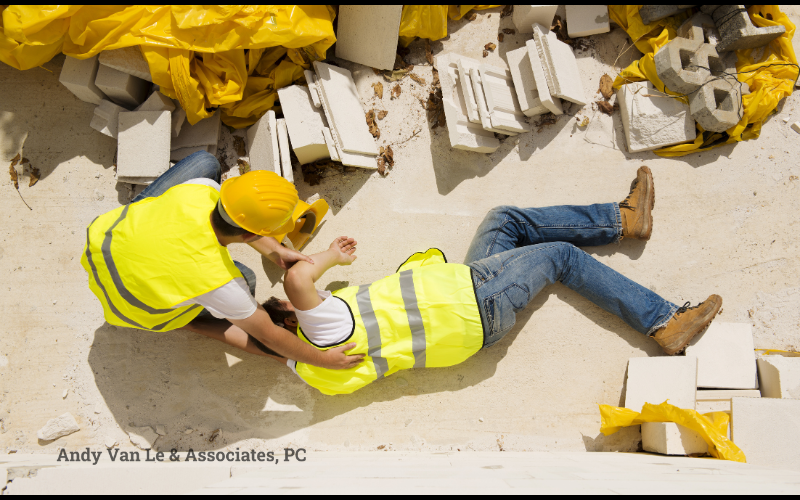
Maintenance Records May Reveal Ongoing Problems
Maintenance records often tell an important story.
These records may show:
- Previous complaints
- Inspection schedules
- Repair requests
- Cleaning logs
- Maintenance delays
For example, if several customers previously reported a broken stairway and repairs were delayed, those records may help establish that the business knew about the dangerous condition.
Incident Reports Can Strengthen a Claim
Many businesses prepare an internal incident report after an accident.
These reports sometimes include:
- The date and time of the incident
- Employee observations
- Witness information
- Photographs
- Statements from those involved
If you're injured, it's often a good idea to notify management so the incident can be documented.
However, you should avoid guessing about fault or minimizing your injuries before you've had an opportunity to receive medical treatment.
Photographs Can Make a Significant Difference
If you're physically able after a fall, photographs may become some of the strongest evidence available.
Helpful photographs include:
- The hazard itself
- The surrounding area
- Lighting conditions
- Warning signs (or lack of them)
- Your injuries
- Torn clothing
- Damaged personal property
Conditions often change quickly after an accident.
For example, a spill may be cleaned up within minutes.
Photographs taken immediately afterward may preserve evidence that would otherwise disappear.
For additional information about preserving evidence, read:
What Evidence Can Help Win a Personal Injury Claim?
Common Defenses Businesses Raise
Businesses rarely admit responsibility immediately.
Instead, insurance companies often argue that:
- The hazard appeared only moments before the fall.
- Employees didn't have enough time to discover it.
- The dangerous condition was obvious.
- The injured person wasn't paying attention.
- Another person created the hazard.
Every case is different.
That's why gathering evidence as early as possible is often one of the most important parts of a premises liability claim.
What Damages May Be Available?
Depending on the circumstances, compensation may include:
- Medical expenses
- Future medical treatment
- Lost wages
- Reduced earning capacity
- Pain and suffering
- Permanent disability
- Rehabilitation costs
If you're interested in learning more about how damages are evaluated, I recommend reading:
How Much Is My Personal Injury Case Worth in California?

What I Tell Clients
One thing I remind clients is that simply falling on someone else's property doesn't automatically create a personal injury claim.
The important question is whether the property owner or business acted reasonably under the circumstances.
Did they inspect the property?
Did they know about the hazard?
Should they have discovered it?
Did they take reasonable steps to protect visitors?
Answering those questions often determines whether liability exists.
The sooner evidence is preserved, the easier it usually becomes to answer those questions accurately.

Speak With a San Diego Slip and Fall Lawyer
If you've been injured in a slip and fall accident caused by unsafe property conditions, understanding your legal rights is an important first step.
Learn more by visiting our San Diego Slip and Fall Lawyer page:
At Accident Law Center, I represent injury victims throughout San Diego County who have been harmed because businesses and property owners failed to maintain reasonably safe premises.
Call (619) 525-0001 today for a free consultation.
No attorney fees unless we recover compensation for you.
Legal Disclaimer
This article is for informational purposes only and does not constitute legal advice. Reading this content does not create an attorney-client relationship with Andy Van Le & Associates, PC. Every premises liability case is unique. If you've been injured, consult an attorney regarding your specific circumstances.
Frequently Asked Questions
Can a business be responsible if I slip on a wet floor?
Yes. If the business knew or reasonably should have known about the dangerous condition and failed to correct it or provide an adequate warning, it may be held liable.
What if there wasn't a "Wet Floor" sign?
The absence of a warning sign may be an important factor, but liability depends on the specific facts, including whether the business had notice of the hazard.
Can I still recover compensation if I was partially at fault?
Possibly. California follows comparative negligence laws, which may allow you to recover compensation even if you share some responsibility for the accident.
What evidence is most important after a slip and fall accident?
Photographs, surveillance footage, witness statements, incident reports, medical records, and maintenance records can all be valuable evidence.
How long do I have to file a slip and fall lawsuit in California?
The deadline depends on the circumstances of the case. Because legal deadlines can vary, it's important to seek legal guidance as soon as possible after an injury.