What Makes a Strong Personal Injury Case?
By Andy Van Le
Quick Answer
A strong personal injury case is built on clear evidence that another person's negligence caused your injuries. Medical documentation, witness statements, photographs, timely treatment, and proof of damages all help strengthen a claim. Every case is different, but preserving evidence and acting quickly often improves the likelihood of recovering fair compensation.

Why Some Personal Injury Cases Are Stronger Than Others
One of the questions I hear most often is:
"Do I actually have a strong case?"
The answer depends on much more than simply being injured.
As a San Diego personal injury lawyer
I've seen cases with relatively minor injuries settle successfully because the evidence was excellent.
I've also seen serious injury cases become much more difficult because important evidence disappeared or medical treatment was delayed.
Building a strong case starts immediately after an accident.
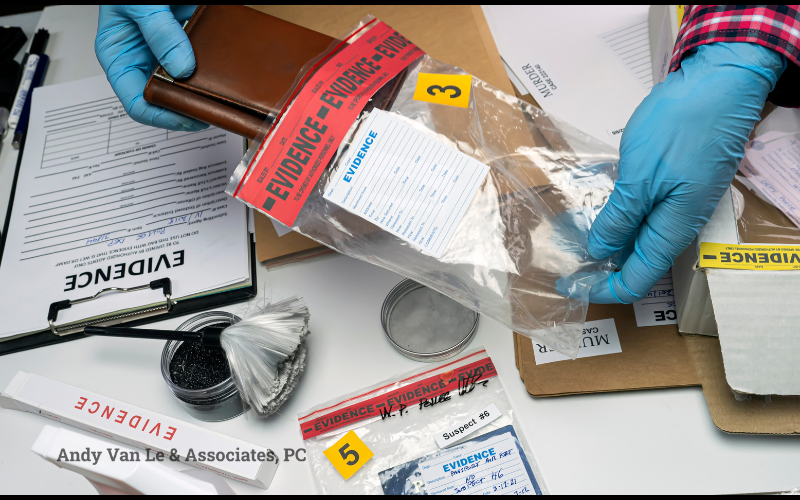
Strong Evidence Makes Strong Cases
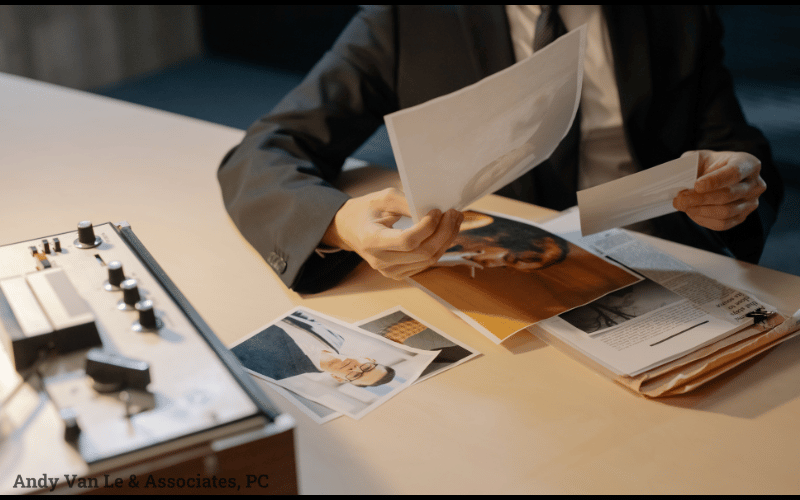
Evidence tells the story of what happened.
The more objective evidence available, the stronger a claim generally becomes.
Examples include:
- Police reports
- Photographs
- Video footage
- Witness statements
- Medical records
- Accident reconstruction
- Expert opinions
If you'd like to learn more about preserving evidence, read:
What Evidence Can Help Win a Personal Injury Claim?
Witnesses Can Strengthen Your Version of Events
Independent witnesses often play an important role in personal injury cases.
Unlike the parties involved in an accident, witnesses generally have no financial interest in the outcome.
Their observations may help confirm:
- How the accident occurred
- Which party had the right of way
- Weather conditions
- Traffic conditions
- Statements made immediately after the collision
Whenever possible, it's a good idea to obtain witness names and contact information before they leave the scene.
Even a single credible witness can sometimes make a significant difference when liability is disputed.
Medical Treatment Matters
Prompt medical care does two important things.
First, it protects your health.
Second, it creates documentation connecting your injuries to the accident.
Waiting days or weeks before seeking treatment often gives insurance companies an opportunity to argue:
- You weren't really hurt.
- Something else caused your injuries.
- Your injuries aren't as serious as you claim.
Learn more here:
Do You Need Medical Treatment to Win a Personal Injury Case in California?
Medical Records Often Become the Foundation of a Personal Injury Case
One of the first things insurance companies review after an accident is your medical records.
These records help establish:
- When you sought treatment
- The injuries you sustained
- The treatment your doctors recommended
- Your recovery progress
- Whether additional medical care may be needed
Consistent medical treatment creates a timeline that connects your injuries directly to the accident.
On the other hand, long gaps in treatment may allow an insurance company to argue that your injuries were not serious or were caused by something unrelated to the accident.
While every case is different, following your physician's recommendations and attending scheduled appointments often helps strengthen your claim.
Negligence Must Be Proven
Every personal injury case requires showing that another party acted negligently.
Examples include:
- Distracted driving
- Speeding
- Running a red light
- Unsafe property conditions
- Failure to maintain equipment
Negligence is one of the foundations of every successful injury claim.
Expert Witnesses May Be Needed in Complex Cases
Some personal injury cases require opinions from qualified experts.
Depending on the circumstances, experts may include:
- Accident reconstruction specialists
- Medical specialists
- Engineers
- Economists
- Vocational experts
- Life care planners
These professionals help explain complicated issues that may be difficult for insurance adjusters, judges, or juries to understand without specialized knowledge.
For example, an accident reconstruction expert may analyze vehicle damage, skid marks, and roadway evidence to determine how a collision occurred.
A medical expert may explain how an injury will affect a person's future health and ability to work.
Comparative Fault Doesn't Automatically End Your Case
Many people worry they may have contributed to the accident.
California follows comparative negligence laws.
That means you may still recover compensation even if you were partially responsible.
Read more:
How Comparative Negligence Works in California Personal Injury Cases
Insurance Companies Evaluate Every Claim Carefully
Insurance adjusters often look for reasons to reduce compensation.
Common arguments include:
- Delayed treatment
- Lack of evidence
- Pre-existing injuries
- Shared fault
- Minor property damage
Understanding these tactics helps injured people avoid common mistakes.
Learn more:
Common Insurance Company Tactics After an Accident (And How to Respond)
Insurance Companies Also Review Social Media
Many people are surprised to learn that insurance companies frequently review public social media accounts after a serious accident.
Adjusters may look for photographs, videos, or comments they believe are inconsistent with an injury claim.
Even an innocent photo from a family gathering may be taken out of context.
That doesn't mean you have to stop living your life, but it's wise to be thoughtful about what you post publicly while a claim is pending.
Insurance companies often search for any information they believe could reduce the value of a claim.
Damages Must Be Documented
A strong case doesn't only prove fault.
It also documents damages.
Examples include:
- Medical expenses
- Future treatment
- Lost wages
- Reduced earning capacity
- Pain and suffering
- Property damage
You may also find this article helpful:
How Much Is My Personal Injury Case Worth in California?
Future Losses Can Be Just as Important as Current Expenses
A strong personal injury case looks beyond today's medical bills.
Many injuries continue affecting a person's life long after the accident.
Future damages may include:
- Additional medical treatment
- Rehabilitation
- Future surgeries
- Prescription medications
- Reduced earning capacity
- Home modifications
- Long-term care
Calculating these future losses often requires input from physicians, economists, and vocational experts.
Properly documenting future damages helps ensure that a settlement reflects both current and long-term consequences of an injury.
Don't Wait Too Long to Preserve Evidence
Time is one of the most important factors in any personal injury case.
Evidence can disappear surprisingly quickly.
Examples include:
- Surveillance footage
- Dash camera recordings
- Cell phone records
- Physical evidence
- Witness memories
- Vehicle damage
The longer an injured person waits, the greater the chance that important evidence may become unavailable.
Acting promptly not only helps preserve evidence but also allows your attorney to begin investigating the accident while the facts are still fresh.
Every Accident Is Different
Strong personal injury claims arise from many types of accidents, including:
- San Diego Car Accident Lawyer
- San Diego Motorcycle Accident Lawyer
- San Diego Truck Accident Lawyer
- San Diego Slip and Fall Lawyer
Regardless of how an injury occurred, documenting the facts early often makes a significant difference.
What I Tell Clients
One thing I remind clients is that a strong case isn't built overnight.
It's built one piece of evidence at a time.
Getting medical care, preserving photographs, obtaining witness information, and understanding your legal rights all help strengthen a claim.
Waiting too long or assuming the insurance company will "do the right thing" can make the process much more difficult.

Every Personal Injury Case Tells a Different Story
No two injury cases are exactly alike.
Two people may experience the same type of accident yet face very different recoveries.
Factors such as age, occupation, prior health, medical treatment, and the severity of an injury can all influence the value of a claim.
That's why I encourage people not to compare their case to a friend's settlement or something they read online.
The focus should always be on the specific facts of your situation and how the accident has affected your life.

Speak With a San Diego Personal Injury Lawyer
If you've been injured because of someone else's negligence, understanding what makes a strong case can help you make informed decisions moving forward.
Learn more by visiting our San Diego Personal Injury Lawyer page:
At Accident Law Center, I help injury victims throughout San Diego pursue compensation after serious accidents.
Call (619) 525-0001 for a free consultation.
No attorney fees unless we recover compensation.
Legal Disclaimer
This article is for informational purposes only and does not constitute legal advice. Reading this content does not create an attorney-client relationship with Andy Van Le & Associates, PC. Every case is different, and you should contact an attorney directly for legal advice about your specific situation.
FAQs
What makes a personal injury case strong?
Strong evidence, timely medical treatment, clear proof of negligence, and documented damages all contribute to a stronger claim.
Do I need medical treatment to have a personal injury case?
Medical documentation is often one of the most important parts of proving an injury claim.
Can I still recover compensation if I was partially at fault?
Yes. California follows comparative negligence laws, allowing many injured people to recover compensation even when they share some responsibility.
How important are witnesses in a personal injury case?
Independent witness statements can help support your version of events and strengthen your claim.
How long should I wait before speaking with a lawyer?
Generally, the sooner the better. Early action helps preserve evidence and protect your legal rights.