Can You Still Win an Injury Case If You Were Partially at Fault in California?
Quick Answer
Yes — in California, you can still recover compensation even if you were partially at fault for an accident. However, your compensation may be reduced based on your percentage of fault.
My Experience With Fault Disputes in California
As a personal injury attorney in San Diego, I’ve worked on thousands of cases where fault was not clear-cut.
One of the most common things I hear from people is:
“I think I might have been partly at fault — does that mean I don’t have a case?”
The answer is usually no.
California law allows injured individuals to recover compensation even if they share responsibility for the accident. In many cases, people assume they don’t have a case when they actually do.
If you’ve recently been in an accident and are unsure where you stand, it helps to understand your options by speaking with a car accident attorney in San Diego
Understanding California’s Comparative Fault Rule
California follows what’s known as a pure comparative fault system.
This means:
- Each party is assigned a percentage of fault
- Your compensation is reduced by your percentage
- You can still recover damages even if you are mostly at fault
Example of How Comparative Fault Works
Let’s say:
- Your total damages = $100,000
- You are found 30% at fault
You may still recover:
👉 $70,000
Even if you were 50% or more at fault, you may still be eligible to recover compensation.
Common Situations Where Fault Is Shared
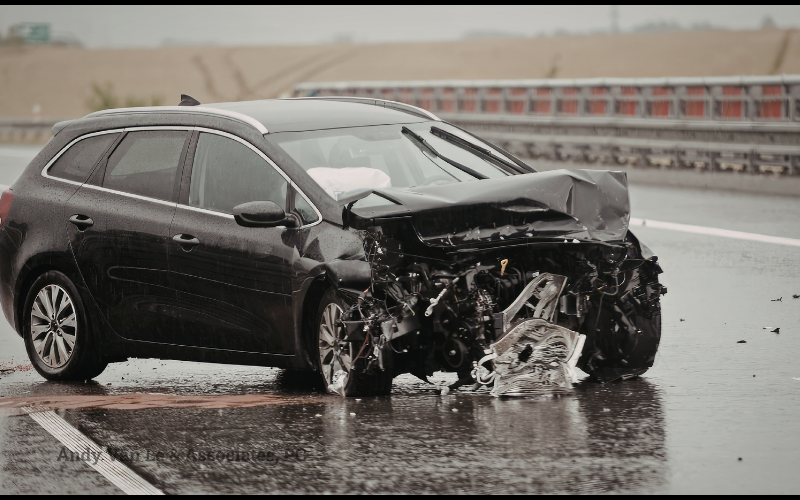
In many accidents, both drivers may share responsibility.
Examples include:
- One driver speeding while the other makes an unsafe turn
- A rear-end collision where both drivers were distracted
- A driver failing to yield while the other was driving aggressively
- Multi-vehicle accidents
Fault is not always obvious and often requires a detailed investigation.
How Fault Is Determined in an Accident Case
Fault is typically determined using a combination of:
Fault is typically determined using a combination of:
- Police reports
- Witness statements
- Photos and videos
- Vehicle damage
- Traffic laws
- Expert analysis
Insurance companies review all available information and assign a percentage of fault to each party.
How Insurance Companies Use Partial Fault Against You
In my experience, insurance companies often try to increase your percentage of fault to reduce how much they have to pay.
They may:
- Argue you contributed to the accident
- Question your actions
- Use your statements against you
- Minimize the other driver’s responsibility
Even a small increase in fault can significantly reduce your compensation.
Why You Should Be Careful What You Say After an Accident
What you say immediately after an accident matters.
For example:
- Apologizing at the scene
- Admitting fault
- Giving recorded statements too early
These statements can later be used to shift blame toward you.
Can You Still Recover If You Were Mostly at Fault?
Yes — California law allows recovery even if you are more than 50% at fault.
However:
- The higher your fault, the lower your compensation
- These cases require stronger evidence and strategy
This is why proper evaluation is critical.
How Partial Fault Affects Settlement Value
Partial fault directly impacts how much your case may be worth.
For example:
- 10% fault → small reduction
- 30% fault → moderate reduction
- 50%+ fault → significant reduction
To understand how full case value is calculated, you can review how much a car accident settlement may be worth in San Diego
What to Do If You Think You Were Partially at Fault
If you believe you share responsibility:
- Do not assume you don’t have a case
- Avoid making statements about fault
- Gather as much evidence as possible
- Understand your options before accepting a settlement
Many valid cases are lost simply because people assume they don’t qualify.
Common Mistakes in Partial Fault Cases
I often see people make mistakes such as:
- Not pursuing a claim at all
- Accepting a low settlement
- Assuming fault without investigation
- Failing to gather evidence
These mistakes can significantly reduce compensation.

Speak With a Personal Injury Attorney About Your Case
If you were involved in an accident and believe you may be partially at fault, it’s important to understand your rights before making any decisions.
In many cases, people are able to recover compensation even when they initially think they don’t have a case.
At Accident Law Center, I work directly with clients to evaluate fault and build strong claims.
Learn more about working with a San Diego personal injury attorney
Or call (619) 525-0001 for a free consultation.
Legal Disclaimer
This article is for informational purposes only and does not constitute legal advice. Reading this content does not create an attorney-client relationship with Andy Van Le & Associates, PC. Every case is different, and you should contact an attorney directly for legal advice about your specific situation.
FAQs
Can I still get compensation if I was partially at fault?
Yes. California law allows recovery even if you share fault.
What is comparative fault in California?
Each party is assigned a percentage of responsibility, which affects compensation.
Can I recover damages if I was more than 50% at fault?
Yes. California follows a pure comparative fault system.
How is fault determined in a car accident?
Through evidence such as reports, witness statements, and documentation.
Will insurance companies try to blame me?
Yes. They often attempt to shift fault to reduce payouts.