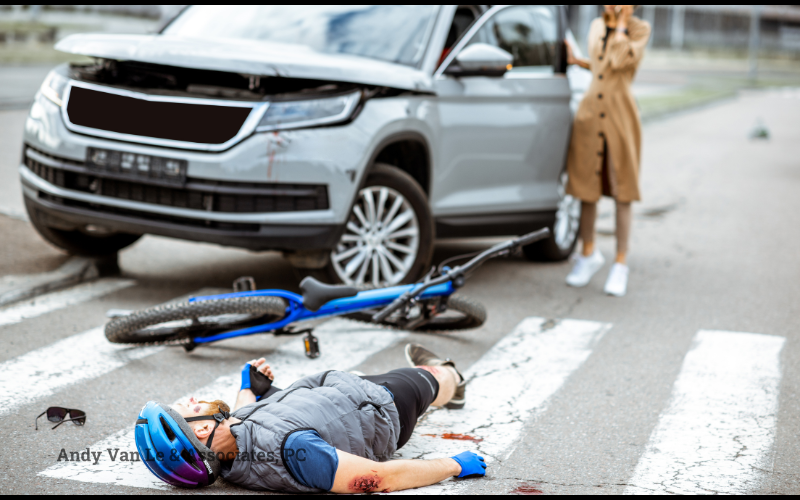
Why Insurance Companies Often Blame Motorcyclists After an Accident
By Andy Van Le
Quick Answer
Insurance companies often blame motorcyclists after an accident because doing so can reduce the amount they have to pay on a claim.
Even when another driver caused the crash, adjusters may argue that the rider was speeding, lane splitting unsafely, or operating recklessly. Understanding these tactics can help injured riders protect their rights and pursue fair compensation.
Motorcycle Riders Often Face Unfair Bias
As a motorcycle accident attorney, one thing I've noticed over the years is how quickly insurance companies try to place blame on the rider.
Many adjusters begin their investigation with the assumption that the motorcyclist somehow contributed to the accident. Unfortunately, riders are often unfairly stereotyped as reckless or aggressive, even when the evidence shows the other driver caused the collision.
If you've been injured in a crash, speaking with a San Diego motorcycle accident lawyer early in the process can help protect your rights and preserve important evidence.
Why Insurance Companies Look for Ways to Blame Riders
Insurance companies are businesses.
The less they pay, the more profitable a claim becomes for them.
California follows comparative negligence rules, which means compensation can be reduced if an injured person is found partially responsible for an accident. Because of this, insurance companies often search for evidence that supports assigning fault to the motorcyclist.
Even a small percentage of fault can significantly affect the value of a case.
Common Arguments Insurance Companies Use
Over the years, I've seen insurance companies make many of the same allegations against riders.
They may argue that:
- The rider was speeding
- The rider was lane splitting unsafely
- The rider was weaving through traffic
- The rider was difficult to see
- The rider failed to avoid the collision
- The rider contributed to the accident
These arguments are often made before a complete investigation has been conducted.
The "I Never Saw the Motorcycle" Defense
One of the most common statements drivers make after a crash is:
"I never saw the motorcycle."
While that may be true, it often indicates that the driver failed to pay proper attention to the roadway.
Many motorcycle accidents occur because drivers:
- Fail to check blind spots
- Make unsafe lane changes
- Turn left in front of motorcycles
- Fail to yield
- Drive distracted
In these situations, the driver's failure to see the motorcycle may actually be evidence of negligence.
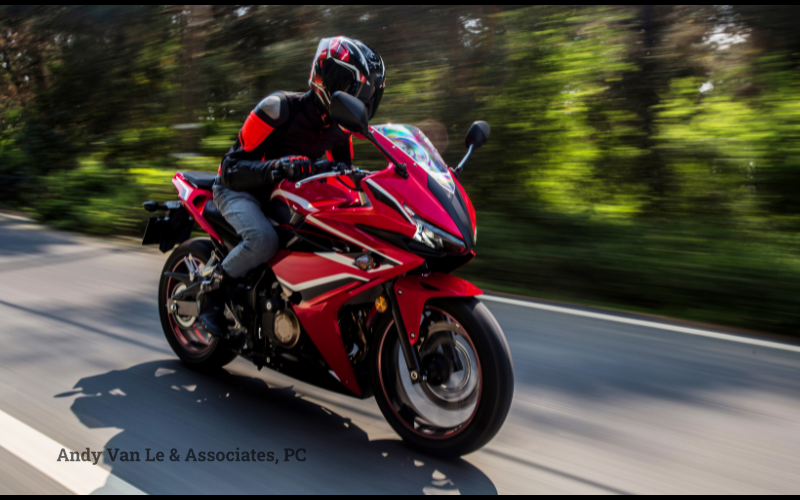
Lane Splitting Does Not Automatically Make You At Fault
California is one of the few states where lane splitting is legal.
Unfortunately, insurance companies frequently try to use lane splitting as a reason to deny or reduce motorcycle injury claims.
The reality is that lane splitting alone does not determine fault.
Liability depends on many factors, including:
- Traffic conditions
- Vehicle speeds
- Driver actions
- Visibility
- Road conditions
I've handled cases where drivers attempted to blame riders for lane splitting when the actual cause of the crash was an unsafe lane change by the driver.
Evidence Often Tells the Real Story
Motorcycle accident claims often come down to evidence.
Important evidence may include:
- Police reports
- Witness statements
- Dashcam footage
- Traffic camera footage
- Medical records
- Accident reconstruction reports
- Scene photographs
The stronger the evidence, the more difficult it becomes for an insurance company to unfairly shift blame.
What Happens When the Driver Changes Their Story?
Unfortunately, some drivers change their version of events after speaking with their insurance company.
A driver who apologizes at the scene may later deny responsibility entirely.
If you're dealing with conflicting statements after a crash, you may find this article helpful:
What Happens If the Other Driver Lies About the Accident?
Serious Motorcycle Injuries Often Lead to Larger Disputes
Motorcycle crashes frequently cause severe injuries, including:
- Traumatic brain injuries
- Spinal cord injuries
- Broken bones
- Road rash
- Internal injuries
- Permanent disabilities
Because these injuries often result in larger claims, insurance companies may work harder to dispute liability or minimize the extent of the injuries.
If you've already encountered this situation, read:
What If the Insurance Company Says Your Injuries Aren't Serious?
Motorcycle Accident Cases Are Often Serious Personal Injury Claims
Motorcycle accidents are frequently categorized as significant personal injury cases because they often involve extensive medical treatment, long recovery periods, and lasting physical consequences.
Potential compensation may include:
- Medical expenses
- Future treatment costs
- Lost wages
- Reduced earning capacity
- Pain and suffering
- Permanent impairment
Understanding the Potential Value of a Claim
Every motorcycle accident case is different.
Factors that influence compensation may include:
- Severity of injuries
- Medical expenses
- Liability disputes
- Insurance coverage
- Long-term effects
For additional insight, read:
How Much Is a Car Accident Settlement Worth in San Diego?
Fatal Motorcycle Accidents Can Lead to Wrongful Death Claims
Sadly, some motorcycle crashes result in fatal injuries.
When that happens, surviving family members may have legal options through a wrongful death claim.
These claims may allow families to pursue compensation for funeral expenses, loss of financial support, and other damages.
Hit-and-Run Motorcycle Accidents Create Additional Challenges
Some drivers leave the scene entirely.
Others may have little or no insurance coverage.
In these situations, injured riders may need to pursue compensation through a hit-and-run or uninsured motorist claim.
These cases often require additional investigation and a thorough review of available insurance coverage.

What I Tell Motorcycle Accident Clients
One thing I tell motorcycle accident clients regularly is this:
Do not assume the insurance company is looking out for your best interests.
Insurance companies often begin investigating a claim immediately, and the steps you take after an accident can significantly impact the outcome of your case.
The sooner evidence is preserved and the facts are documented, the stronger your position becomes.

Speak With a San Diego Motorcycle Accident Lawyer
If you've been injured in a motorcycle crash, you may be dealing with medical bills, lost income, and uncertainty about what comes next.
At Accident Law Center, I help injured riders understand their rights and pursue compensation after serious accidents.
Learn more about how we help injured riders by visiting our San Diego motorcycle accident lawyer page.
Call (619) 525-0001 or contact our office online for a free consultation.
Legal Disclaimer
This article is for informational purposes only and does not constitute legal advice. Reading this content does not create an attorney-client relationship with Andy Van Le & Associates, PC. Every case is different, and you should contact an attorney directly for legal advice about your specific situation.
FAQs
Why do insurance companies often blame motorcyclists after an accident?
Insurance companies often attempt to shift fault to motorcyclists because reducing a rider's percentage of compensation can lower the amount they pay on a claim. Riders are frequently accused of speeding, unsafe lane splitting, or reckless operation even when another driver caused the collision.
Can I recover compensation if I was partially at fault for a motorcycle accident?
Yes. California follows comparative negligence laws, which means injured riders may still recover compensation even if they share some responsibility for the accident. However, the amount recovered may be reduced by their percentage of fault.
Does lane splitting automatically make a motorcyclist responsible for an accident?
No. Lane splitting is legal in California when performed safely. Fault depends on the specific circumstances of the crash, including driver behavior, traffic conditions, and other contributing factors.
What evidence can help prove fault in a motorcycle accident case?
Important evidence may include police reports, witness statements, traffic camera footage, surveillance video, photographs, medical records, and accident reconstruction reports.
Should I speak with the insurance company after a motorcycle accident?
You should be cautious when speaking with insurance adjusters. Statements made early in the process can sometimes be used against you later. Many riders choose to seek legal guidance before providing detailed statements.