What Evidence Is Used to Prove a Wrongful Death Claim in California?
By Andy Van Le
Quick Answer
A California wrongful death claim generally requires evidence establishing both legal responsibility for the death and the losses suffered by the surviving family members.
Depending on how the death occurred, important evidence may include police or accident reports, photographs, surveillance or dash-camera footage, witness statements, medical records, employment and financial records, proof of the family relationship, and expert testimony.
The evidence needed in one wrongful death case may be very different from another. A fatal car accident, truck collision, dangerous property condition, and other negligence-related death can each require a different investigation.
If your family has lost someone because of another person's negligence, you can learn more about California wrongful death claims and the legal options that may be available.
What Has to Be Proven in a California Wrongful Death Case?
Losing a family member unexpectedly is devastating.
Unfortunately, when a death may have been caused by someone else's negligence, the family can also find itself facing difficult legal questions almost immediately.
What happened?
Who was responsible?
How can we prove it?
A wrongful death case isn't established simply because someone died in an accident.
The underlying legal claim must be supported by evidence.
For a negligence-based case, that generally means establishing the conduct that created legal responsibility, showing that the conduct caused the death, and establishing the damages resulting from the loss.
California Courts explains that plaintiffs pursuing negligence claims must prove the required elements of their cause of action and support their position with admissible evidence.
There Are Really Two Categories of Evidence
When I look at wrongful death evidence, I think it's helpful to separate it into two broad questions.
1. What proves how and why the death occurred?
This is the liability evidence.
For example:
- Did a driver run a red light?
- Was a truck driver speeding?
- Was someone driving distracted?
- Did a property owner fail to address a dangerous condition?
- Did another negligent act cause the fatal injury?
2. What proves what the family lost?
This is the damages evidence.
It can involve financial support, household services, funeral and burial expenses, and the nature of the relationship between the deceased person and qualifying surviving family members.
Both sides of the case matter.
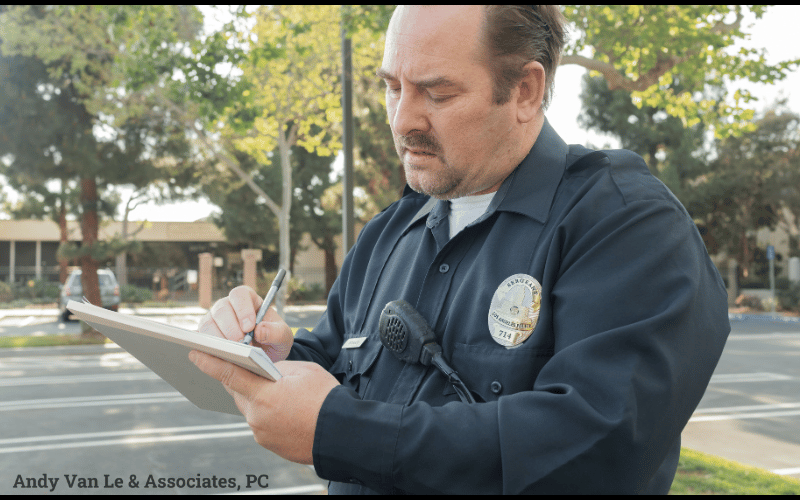
Police and Accident Reports
In a fatal motor vehicle collision, the police report may be an important starting point.
Depending on the investigation, it may contain information regarding:
- Drivers involved
- Witnesses
- Vehicle positions
- Roadway conditions
- Statements made at the scene
- Traffic citations
- Diagrams
- Observations by investigating officers
A police report does not necessarily answer every liability question, and evidentiary rules determine what ultimately may be considered in court.
But it can provide important information that leads to other evidence.
Photographs of the Accident Scene
Photographs can preserve details that may disappear quickly.
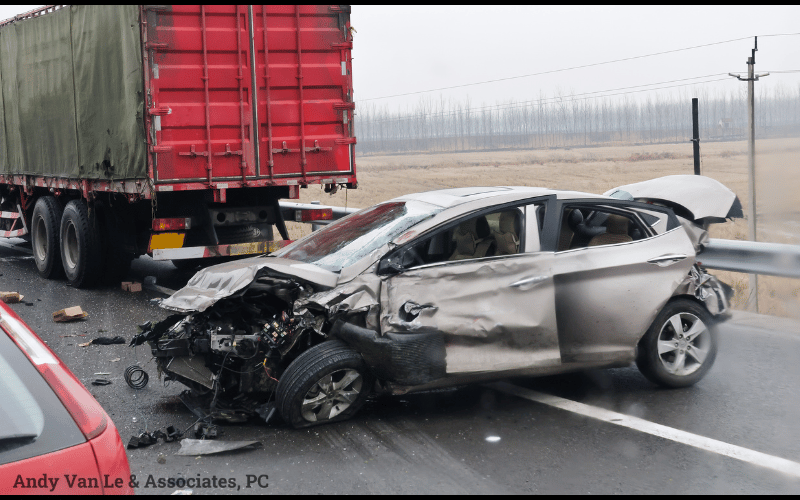
In a fatal traffic collision, photographs might document:
- Vehicle damage
- Point of impact
- Skid or tire marks
- Debris
- Traffic signals
- Signs
- Lane markings
- Visibility
- Road conditions
- Surrounding businesses or cameras
California Courts identifies photographs of an accident scene or injuries among the types of evidence that may support a personal injury case.
The same principle can be particularly important when investigating a fatal accident.
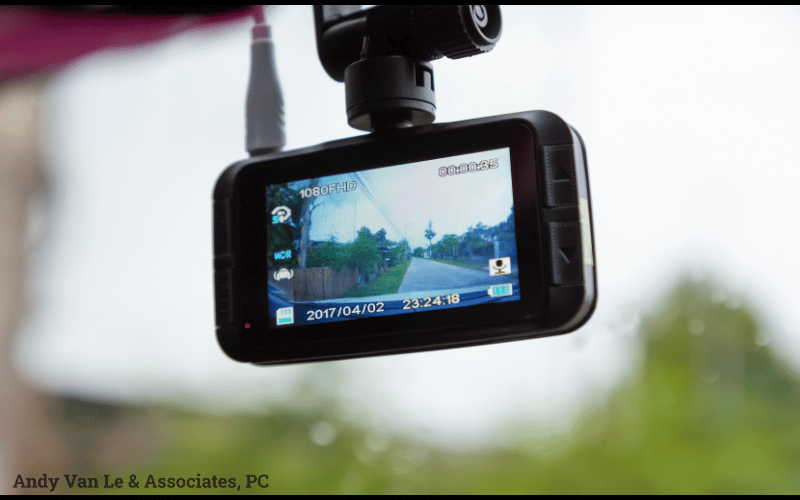
Surveillance, Dash-Camera, and Traffic Video
Video can sometimes become some of the strongest evidence in a disputed wrongful death case.
A nearby camera may show what happened rather than forcing everyone to rely entirely on recollections.
Potential sources include:
- Business surveillance systems
- Residential security cameras
- Dash cameras
- Vehicle cameras
- Traffic-related cameras
- Other recordings near the scene
Video may help establish vehicle movements, timing, visibility, traffic conditions, or other circumstances surrounding the incident.
But video isn't necessarily stored forever.
That's why identifying and preserving potentially relevant footage quickly can matter.
Witness Statements
Independent witnesses may be extremely important.
A witness might have seen:
- The collision
- A traffic violation
- Dangerous driving before the accident
- The condition of the property
- What occurred immediately afterward
California Courts specifically identifies witness statements as a type of evidence that can support an injury claim.
If possible, obtain witnesses' names and contact information early.
People move, change phone numbers, forget details, and become harder to locate as time passes.
Medical Records
Medical documentation can help establish the injuries and medical circumstances associated with the death.
Depending on the case, records may include:
- Ambulance records
- Emergency treatment
- Hospital records
- Diagnostic imaging
- Surgical records
- Physician reports
- Other treatment documentation
In cases where the person survived for some period after the accident, medical records can also help establish the progression from the initial injury to the eventual death.
California Courts likewise recognizes medical records and doctor reports as potentially important evidence in civil injury cases.
Death Certificates and Related Records
A death certificate can be another important document in the investigation.
It may contain information regarding the recorded cause and manner of death.
However, a wrongful death case may require considerably more evidence than the death certificate itself.
The legal question isn't merely whether a person died.
It is whether another party can be held legally responsible for causing that death.
Evidence of Negligence
Different accidents require different evidence.
Fatal Car Accidents
Evidence could include:
- Crash reports
- Witness statements
- Dash-camera footage
- Cell phone evidence where properly obtained
- Vehicle damage
- Electronic vehicle information
- Traffic signals
- Accident reconstruction
Fatal Truck Accidents
A commercial truck case may involve additional evidence, potentially including:
- Driver records
- Electronic logging information
- Maintenance documentation
- Company safety records
- Vehicle inspection information
- Cargo-related evidence
- Electronic data
Fatal Premises Liability Accidents
Evidence might include:
- Surveillance footage
- Maintenance records
- Inspection procedures
- Prior complaints
- Photographs
- Employee testimony
The investigation should be tailored to the way the fatal injury occurred.
Evidence of the Family Relationship
A wrongful death claim also requires determining who has the legal right to pursue it.
California law does not simply allow anyone who cared about the deceased person to bring a wrongful death action.
Depending on the circumstances, evidence establishing the legal family relationship may include documents such as:
- Marriage certificates
- Birth certificates
- Adoption records
- Domestic partnership records
- Other documentation relevant to the claimant's legal status
I've discussed this separately in Who Can File a Wrongful Death Claim in California?.
Financial and Employment Records
Financial evidence can become particularly important when evaluating the economic effect of a death on surviving family members.
California's wrongful death jury instruction identifies potential economic damages including the financial support the deceased person would have contributed to the family, loss of expected gifts or benefits, funeral and burial expenses, and the reasonable value of household services.
Evidence relevant to financial support may include:
- Tax returns
- W-2 forms
- Pay stubs
- Employment records
- Business records
- Earnings history
- Benefit information
- Retirement information
The purpose is not to speculate about what the deceased person might have earned.
It is to develop evidence regarding the financial support the family reasonably could have expected.
Evidence of Household Services
A person's value to a household isn't limited to a paycheck.
A family member may provide substantial services such as:
- Childcare
- Cooking
- Cleaning
- Transportation
- Home maintenance
- Financial management
- Household organization
- Other day-to-day assistance
California's 2026 wrongful death instruction expressly identifies the reasonable value of household services the deceased would have provided as a category of potential economic damages.
Evidence concerning those contributions may therefore matter even when the deceased person wasn't the family's primary wage earner.
Funeral and Burial Expenses
Funeral and burial expenses are also identified in California's wrongful death damages instruction.
Families should consider preserving documentation such as:
- Funeral home invoices
- Burial expenses
- Cremation expenses
- Cemetery-related expenses
- Other qualifying records
Receipts and invoices can provide direct documentation of these financial losses.
How Do You Prove the Personal Loss to the Family?
Not every wrongful death loss can be shown with a receipt.
California's wrongful death jury instruction also recognizes noneconomic losses associated with the deceased person's love, companionship, comfort, care, assistance, protection, affection, society, moral support, and, where applicable, training and guidance.
Evidence regarding the relationship may come from people who actually knew the family.
That might include testimony concerning:
- The relationship between spouses
- The relationship between parents and children
- Family routines
- Activities performed together
- Guidance provided to children
- Caregiving responsibilities
- The deceased person's role within the family
These losses are deeply personal and cannot simply be calculated from a spreadsheet.
Expert Testimony May Be Important
Some wrongful death cases require specialized expertise.
Depending on the circumstances, experts might address:
Accident Reconstruction
An accident reconstruction professional may evaluate vehicle movement, speed, physical evidence, roadway conditions, and impact dynamics.
Medical Causation
Medical expertise may be relevant when the relationship between the accident, injuries, and death is disputed.
Economics
An economist may help evaluate certain future financial losses.
Vocational or Employment Issues
Employment-related expertise may become relevant when evaluating career trajectory or earning potential.
Not every wrongful death case requires every type of expert.
The evidence should fit the issues actually disputed in the case.
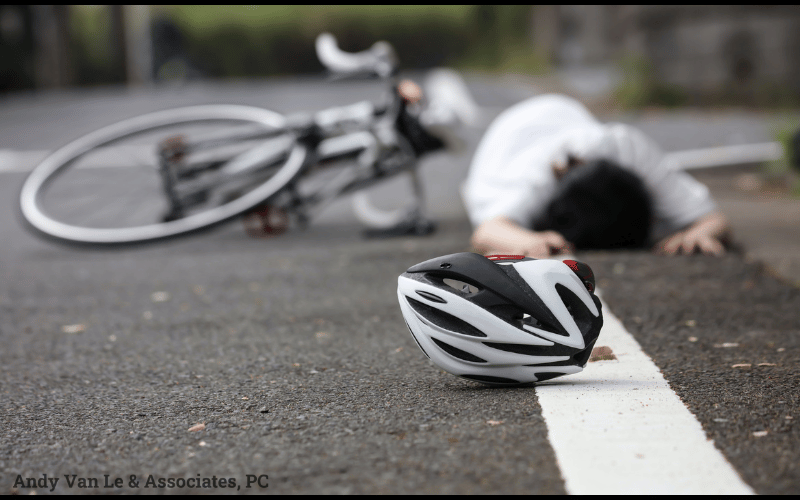
Why Preserving Evidence Early Is So Important
Some of the most valuable evidence in a wrongful death case may also be the easiest to lose.
Surveillance video may be overwritten.
Vehicles may be repaired or destroyed.
Roadway evidence may disappear.
Witnesses may become difficult to locate.
Records may become harder to obtain.
That's why I believe a serious fatal accident should be investigated with preservation in mind from the beginning.
When appropriate, steps can be taken to identify evidence and request that relevant materials be preserved.
What If the Other Side Blames the Person Who Died?
This can make wrongful death cases especially difficult emotionally.
An insurance company or defendant may argue that the deceased person contributed to the accident.
The family may strongly disagree.
But the person who died is no longer available to give their own account.
That makes independent evidence particularly important.
Video footage, physical evidence, witnesses, electronic data, photographs, and expert analysis may help reconstruct what actually happened.
The investigation should be driven by evidence—not simply by whichever party was able to tell their version first.
Why Financial Records Alone Aren't Enough
A wrongful death case is not simply an income calculation.
Financial records may help establish economic losses, but California recognizes several categories of noneconomic loss as well.
A parent may have provided guidance that can't be replaced.
A spouse may have provided companionship, comfort, assistance, and support that can't be measured by salary.
The evidence should therefore reflect both the financial and personal dimensions of the loss where legally relevant.
What Damages May Be Available?
Depending on the facts and the eligible claimants, a California wrongful death claim may involve qualifying economic and noneconomic damages.
Potential categories identified in California's wrongful death jury instructions include:
- Financial support
- Loss of expected gifts or benefits
- Funeral and burial expenses
- Value of household services
- Loss of love and companionship
- Loss of comfort and care
- Loss of assistance and protection
- Loss of affection and society
- Loss of moral support
- Loss of training and guidance where applicable
The damages available depend on the particular circumstances.
You can read more in What Damages Can Be Recovered in a California Wrongful Death Lawsuit?.
Every Wrongful Death Case Requires a Different Evidence Strategy
There isn't one universal checklist that proves every wrongful death case.
A fatal motorcycle collision may depend heavily on intersection video and accident reconstruction.
A truck collision may require commercial transportation records.
A premises liability death may depend on maintenance records and surveillance footage.
A case involving disputed financial losses may require extensive employment and economic documentation.
The important question is:
What evidence do we need to prove the specific facts that matter in this case?
That's the approach I believe should guide a wrongful death investigation.

Speak With a San Diego Wrongful Death Lawyer
If you've lost a family member because of another person's negligence, determining what evidence exists—and preserving it before it disappears—can be an important part of protecting your family's legal rights.
At Accident Law Center, I help families in San Diego evaluate fatal accident claims and understand the legal options available to them.
You can learn more about California wrongful death claims or contact our office to discuss your circumstances.
Call (619) 525-0001 for a free consultation.
Legal Disclaimer
This article is for informational purposes only and does not constitute legal advice. Reading this article does not create an attorney-client relationship with Andy Van Le & Associates, PC. Wrongful death claims are fact-specific, and applicable rights, deadlines, evidence requirements, and damages can vary. Contact an attorney directly for advice regarding your particular circumstances.
Frequently Asked Questions
What evidence is needed for a wrongful death claim in California?
The necessary evidence depends on how the death occurred and which issues are disputed. Evidence may include accident reports, photographs, video, witness statements, medical records, financial and employment records, proof of family relationships, and expert testimony.
Do you need a police report for a wrongful death claim?
A police or accident report can provide useful information in a fatal accident case, but it is not necessarily the only evidence. Video, witnesses, physical evidence, medical records, photographs, and other documentation may also be important.
How do you prove financial loss in a wrongful death case?
Potential evidence may include tax returns, W-2 forms, pay stubs, employment records, business records, benefit information, and other documentation showing the financial support the deceased person reasonably would have provided.
Can household services be considered in a California wrongful death case?
Yes. California's wrongful death jury instructions identify the reasonable value of household services the deceased person would have provided as a potential category of economic damages.
How is loss of companionship proven?
Evidence may concern the nature and quality of the relationship between the deceased person and the eligible family member, including companionship, care, assistance, protection, affection, moral support, and other legally recognized aspects of the relationship.
Can surveillance footage be used in a wrongful death case?
Potentially. Surveillance, dash-camera, or other video may help establish how an accident occurred. Because some recordings are overwritten or deleted, identifying and preserving relevant footage can be time-sensitive.
Are expert witnesses necessary in every wrongful death case?
No. Whether experts are needed depends on the issues involved. Some cases may benefit from accident reconstruction, medical, economic, vocational, or other expert analysis, while others may not require the same level of expert evidence.